 +86 183 5026 5271



Case
Smart Lightning Protection System for Tencent Data Center Shenzhen – IoT SPD
2026-04-15
Tencent Data Center Shenzhen – Smart Lightning Protection Case Study
Project Overview
Location: Shenzhen, China
Industry: Cloud Computing / Internet Data Center (IDC)
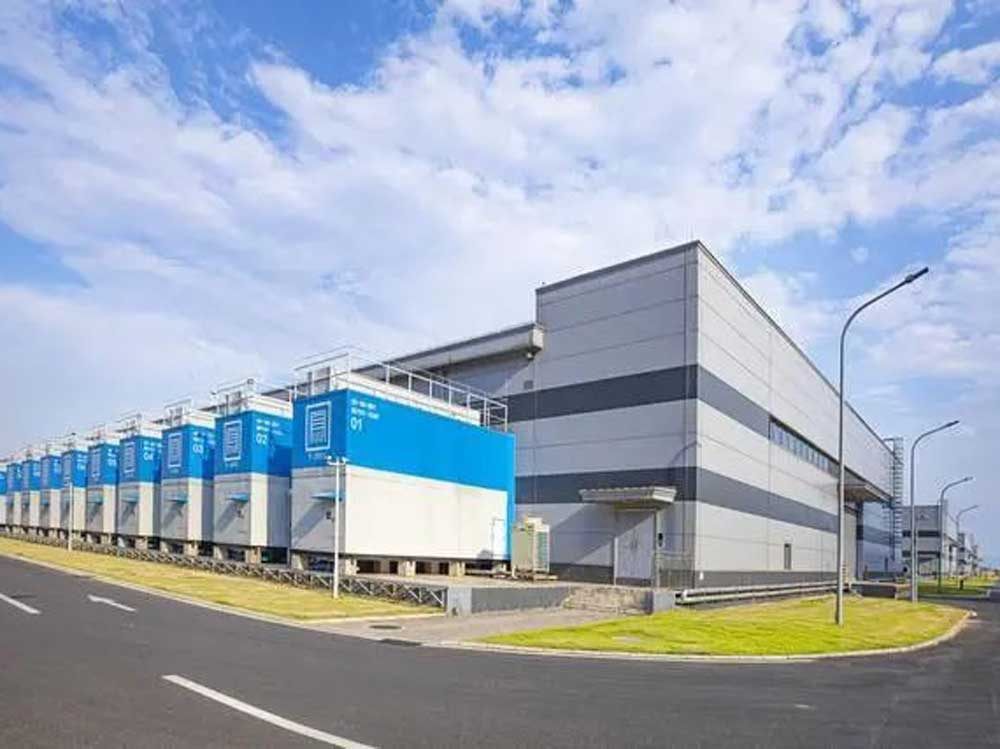
Application: Precision air conditioning (CRAC) units – air-cooled type, units #3, #5, #6
Products Deployed: Smart Surge Protective Devices (SPD) with IoT monitoring
Key Feature: Real-time SPD status monitoring, remote alerting, and predictive maintenance
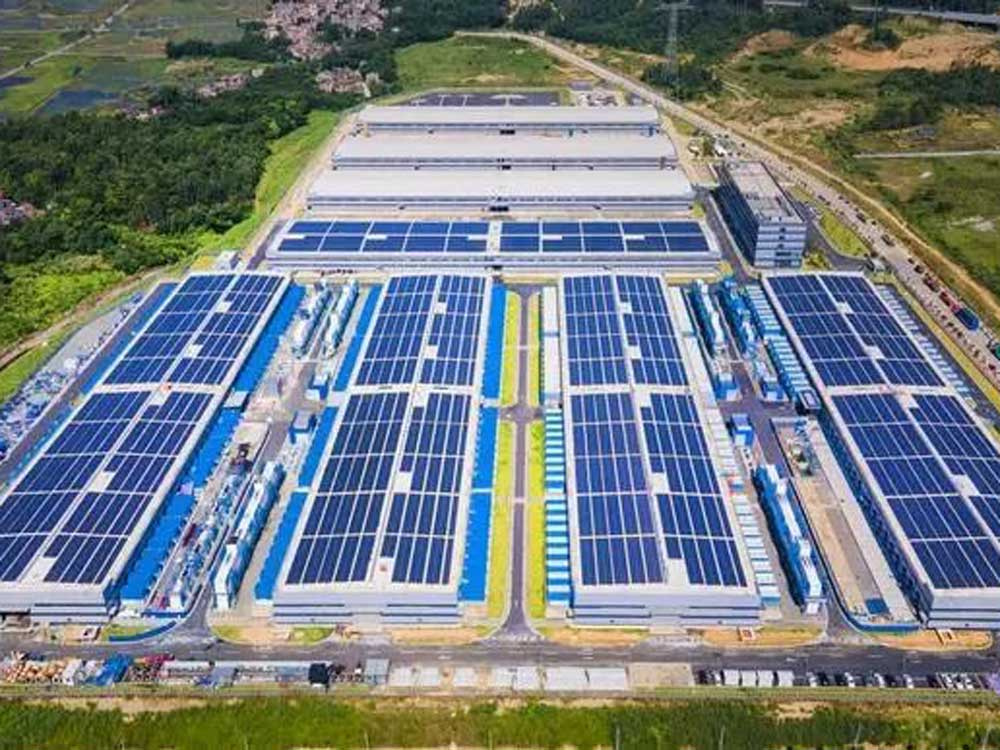
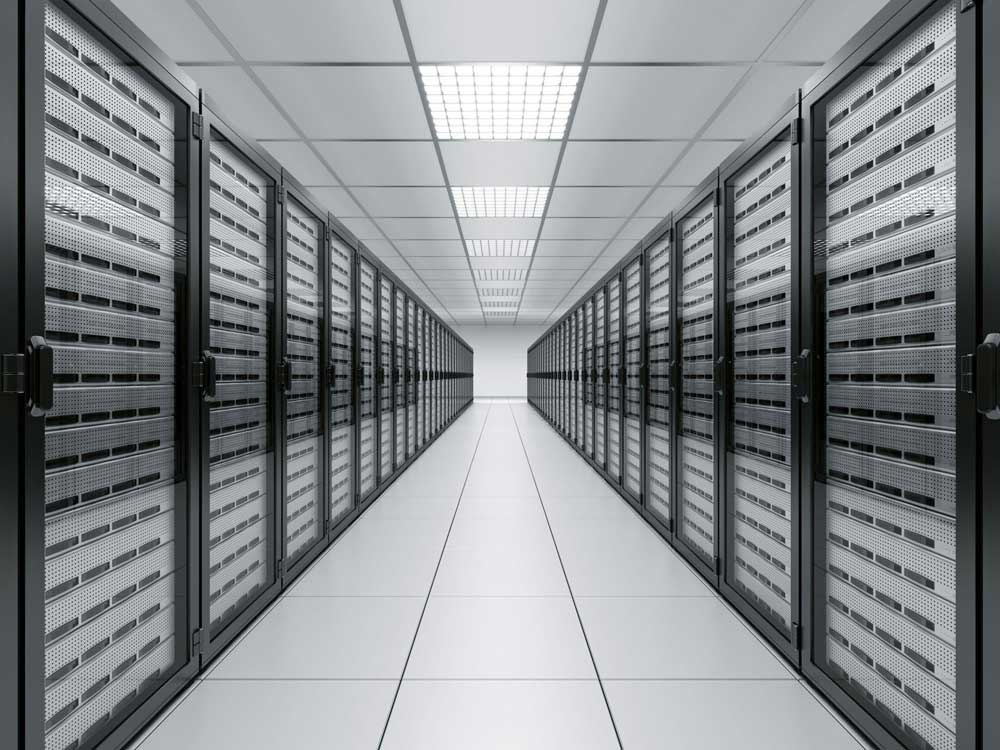
Tencent, one of the world's leading internet and cloud service providers, operates multiple large-scale data centers in Shenzhen, including the Guangming Data Center—the first 5A green data center in South China, which deploys over 4,000 high-power racks. With Shenzhen's humid subtropical climate and high lightning density, ensuring continuous protection for critical cooling infrastructure is mission-critical.
The Challenge: Why Precision Air Conditioning Needs Smart Protection
Precision air conditioning units are the "lifeline" of any data center. They maintain strict temperature and humidity ranges for thousands of servers. However, traditional surge protection for CRAC units faced several issues:
Invisible failures: Conventional SPDs provide no indication when they degrade or fail. A degraded SPD leaves the air conditioner completely unprotected without any warning.
Conducted surge risks: Lightning surges can travel through power lines feeding CRAC units and propagate back into the main distribution board, potentially damaging UPS systems and causing server outages.
Unplanned downtime: If a precision air conditioner fails due to a lightning strike, temperatures in high-density server zones can exceed safety thresholds within 10–15 minutes, risking immediate server shutdown and data loss.
Manual maintenance burden: Traditional systems require periodic on-site inspections, which are inefficient and often miss early signs of SPD degradation.
In Tencent's Shenzhen data center, three air-cooled precision air conditioning units (Units #3, #5, and #6) were identified as critical assets requiring enhanced surge protection with remote visibility.
Our Solution: Smart Lightning Protection System
We deployed a comprehensive Smart Lightning Protection System integrating IoT-enabled SPDs with a cloud-based monitoring platform—moving from passive protection to intelligent, proactive surge management.
System Architecture
The smart system consists of three layers:
| Layer | Components | Function |
| Perception Layer | Smart SPD modules, leakage current sensors, temperature sensors | Real-time data acquisition |
| Network Layer | 4G/5G / LoRa communication modules | Secure data transmission |
| Platform Layer | Cloud-based monitoring dashboard | Visualization, analytics, alerting |
Key Features Deployed
Real-time SPD status monitoring: Our smart SPD modules continuously monitor key parameters including surge protection module health, leakage current, and internal temperature—delivering 24/7 visibility that traditional SPDs cannot provide.
Life expectancy prediction: The system uses AI-based algorithms to analyze SPD degradation trends, providing early warnings before the device reaches end-of-life—enabling proactive replacement rather than emergency repair.
Remote alerting: Upon any abnormal condition (SPD failure, leakage current rise, or surge event), the system instantly pushes alerts via App, SMS, or email to facility managers, eliminating long detection delays.
Surge event logging: Each lightning strike or switching surge is automatically recorded with timestamp and current magnitude, enabling accurate fault analysis and insurance documentation.
Seamless integration: The smart SPD modules were installed upstream of the three air-cooled precision air conditioning units (Units #3, #5, and #6), protecting both their power supply lines and control signal lines.
Specific advantages for Tencent's Shenzhen data center:
Reduced risk of cooling failure: With continuous monitoring of all three precision AC units, any SPD degradation is detected instantly, ensuring that surge protection is always active when a thunderstorm hits Shenzhen (which experiences 70–80 thunderstorm days annually).
Lower operational costs: Remote monitoring reduced on-site inspection labor by approximately 50%, while predictive alerts prevented emergency call-outs.
Enhanced business continuity: By preventing surge-induced air conditioning failures, the system eliminated a major potential cause of server overheating and unplanned outages—critical for Tencent's cloud SLA commitments.
Compliance readiness: The smart system provides auditable logs of surge events and SPD health, supporting compliance with data center standards.
Why Choose Smart Lightning Protection for Your Data Center?
Move from passive to active: Know the real-time status of every SPD protecting your critical assets.
Prevent costly downtime: Early warning of SPD degradation avoids unprotected periods during storm seasons.
Reduce maintenance costs: Replace expensive routine inspections with intelligent, event-driven maintenance.
Scalable platform: Monitor a single rack or a hyperscale data center from one cloud dashboard
Proven in mission-critical environments: Successfully deployed at Tencent's Shenzhen facilities and other major data centers.
About This Project
The smart lightning protection system described above was installed to protect air-cooled precision air conditioning units #3, #5, and #6 at a Tencent data center in Shenzhen. The installation included Type 2 smart SPDs with IoT monitoring modules and integration into the facility's centralized monitoring platform.