 +86 183 5026 5271



Blogs




Strengthening Technical Collaboration Across Borders: Malaysia-Indonesia Lightning Protection Partnership Takes Shape in Jakarta
2026-04-22
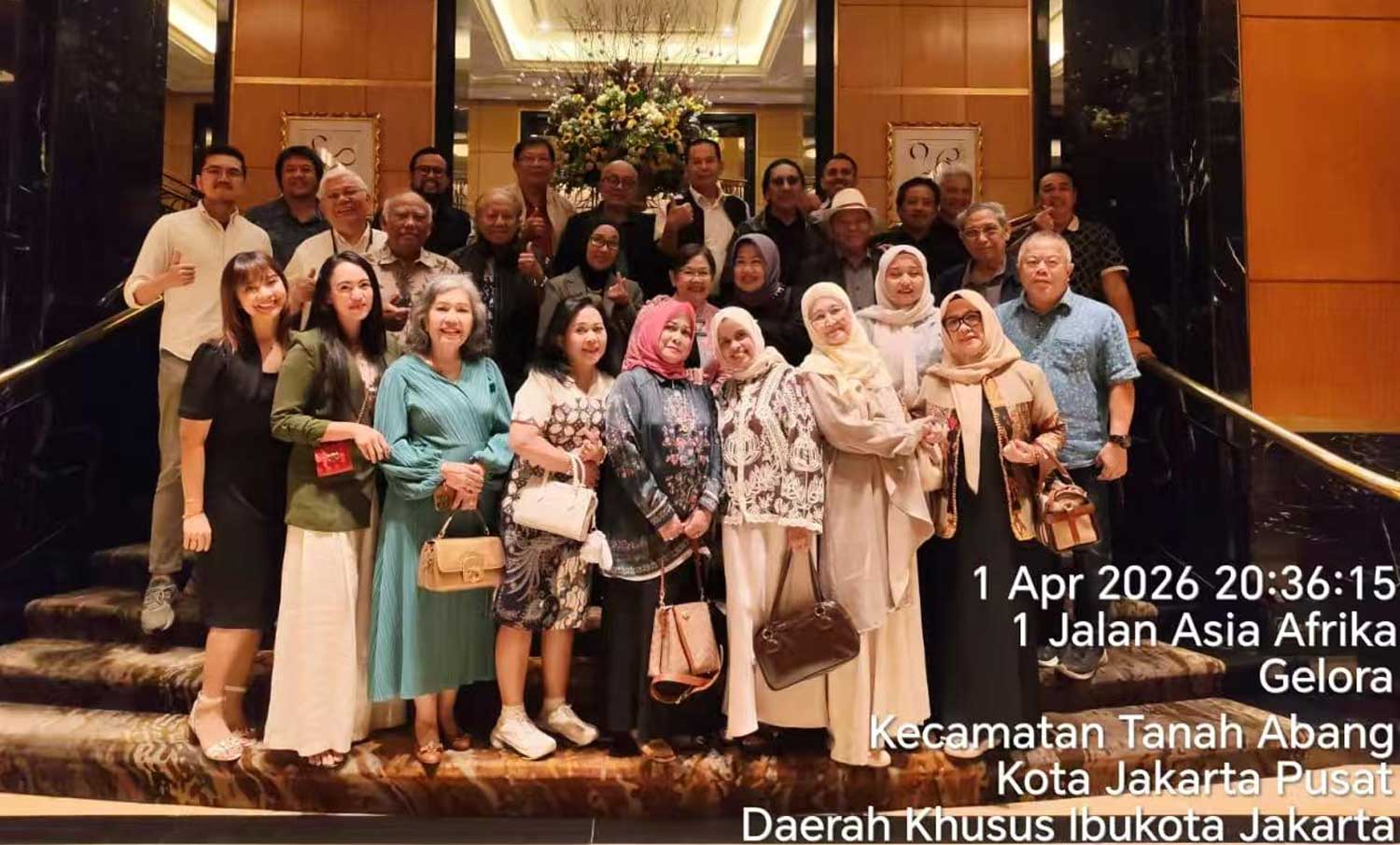
JAKARTA – In a decisive move to enhance regional technical synergy, a high-level meeting was convened on April 1, 2026, at Jalan Asia Afrika, Gelora, bringing together a Malaysian lightning protection partner and key leaders from a leading Indonesian design institute.
The session, held in the heart of Jakarta, went far beyond routine introductions. It represented a deep dive into engineering standards, system reliability, and integrated protection strategies for critical infrastructure. The goal: to bridge technical expertise across borders and deliver safer, smarter, and more resilient solutions for Indonesia's growing infrastructure landscape.
A Meeting of Technical Minds
The session, held in the heart of Jakarta, went far beyond routine introductions. It represented a deep dive into engineering standards, system reliability, and integrated protection strategies for critical infrastructure. The goal: to bridge technical expertise across borders and deliver safer, smarter, and more resilient solutions for Indonesia's growing infrastructure landscape.
Discussions centered on harmonizing lightning protection methodologies, sharing best practices in risk assessment, and addressing the unique challenges posed by tropical climates and high-density urban developments. Both parties agreed that technical collaboration between Malaysia and Indonesia—two nations with similar environmental and electrical storm profiles—is not just beneficial but essential for modern infrastructure safety.
"When technical expertise meets local insight, the result is safer, smarter, and more resilient solutions," said a representative from the Malaysian partner firm. The Indonesian design institute leaders echoed this sentiment, emphasizing the value of cross-border knowledge exchange in elevating local engineering standards.
Why This Collaboration Matters for Critical Infrastructure
Lightning protection is often overlooked in early infrastructure planning, yet failures can lead to catastrophic downtime, data loss, and safety hazards. By integrating international engineering standards (such as IEC 62305) with localized design intelligence, the partnership aims to develop comprehensive protection strategies for:
- Transportation hubs (airports, rail systems)
- Energy and utility facilities
- Telecommunications and data centers
- Healthcare and emergency response buildings
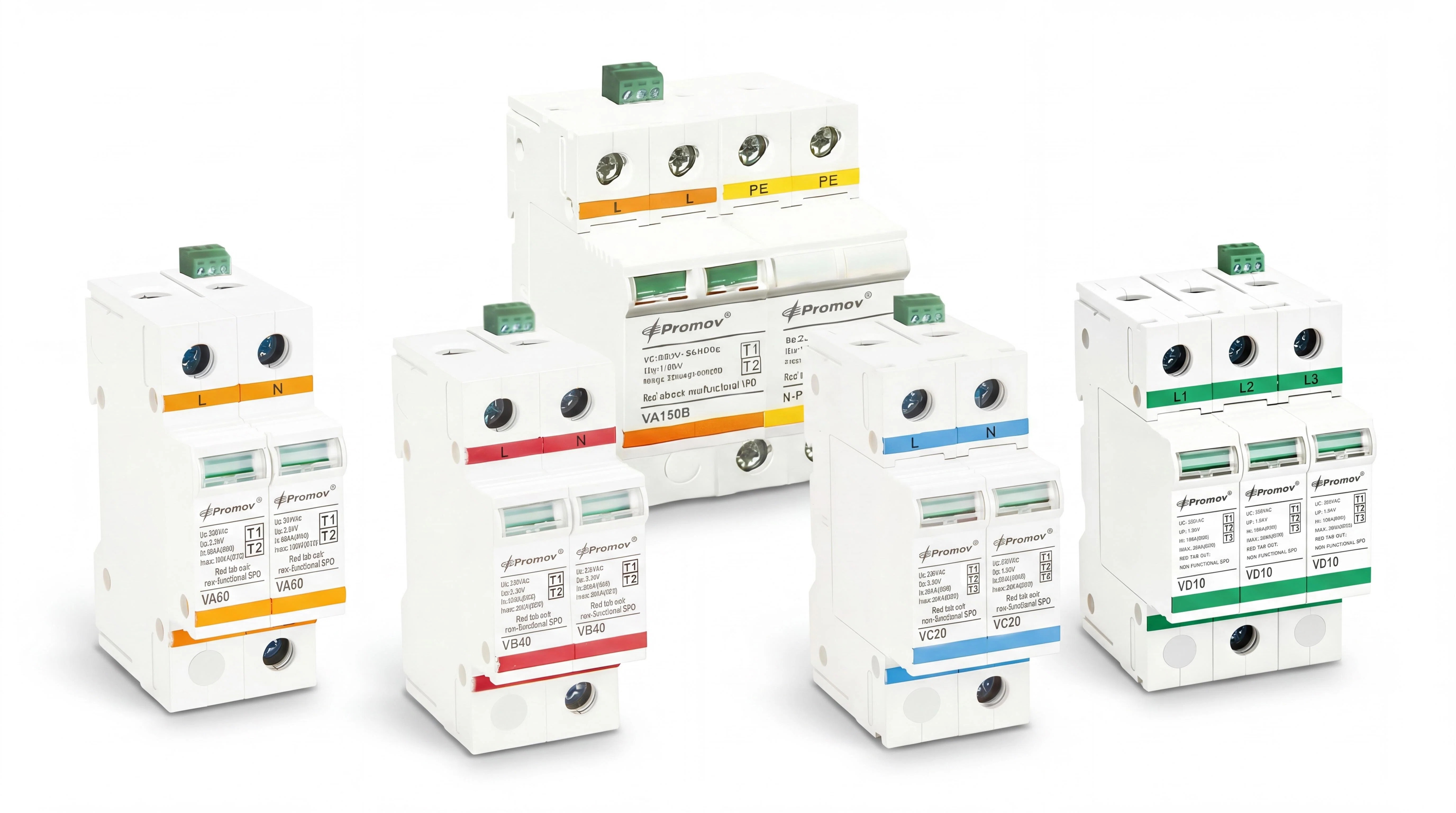
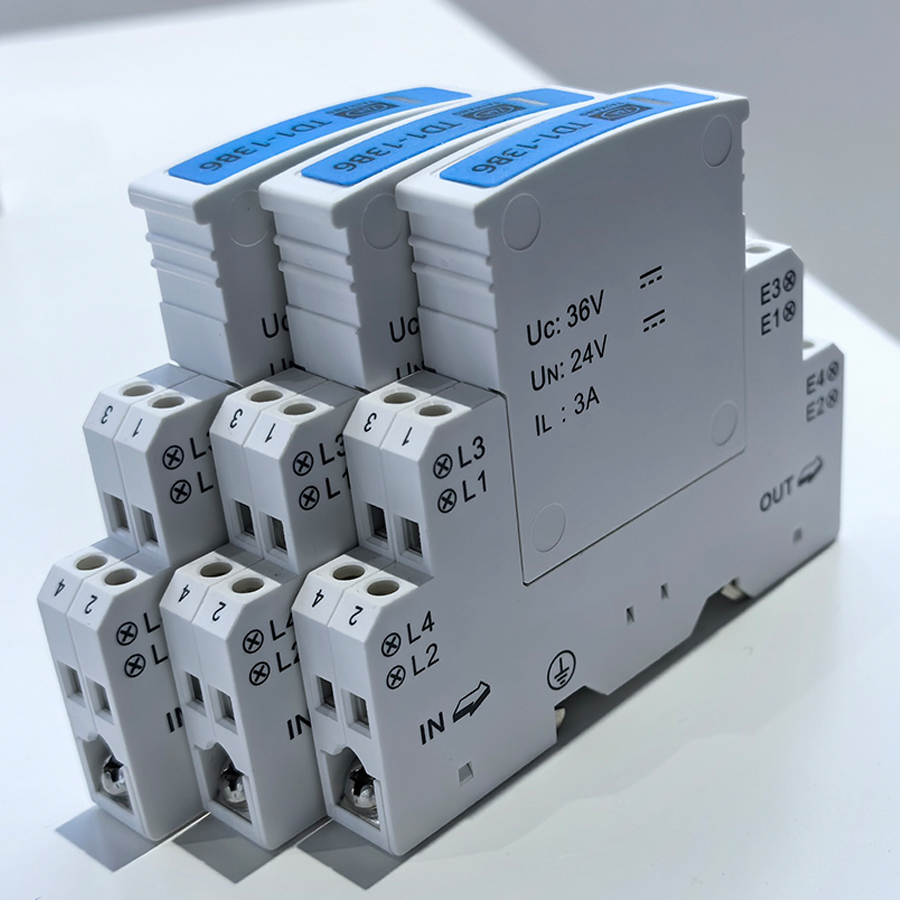
The Jakarta meeting marks the first step in a structured technical collaboration. Future workstreams are expected to include joint workshops, shared engineering audits, and pilot projects that demonstrate integrated lightning protection and surge protection devices (SPDs) tailored for Indonesian conditions.
Both parties have committed to follow-up sessions in Kuala Lumpur and Jakarta later this year, ensuring continuous alignment on emerging standards and project-specific requirements.
About the Initiative
This cross-border technical collaboration reflects a growing trend in Southeast Asia: moving from isolated national standards to a more unified, reliability-driven engineering approach. By combining Malaysian expertise in advanced lightning protection systems with Indonesian on-ground design and execution capabilities, the partnership is poised to set a new benchmark for critical infrastructure safety in the region.