Leave Your Message

Blog

Who Are China Top Single Surge Protector Suppliers?

Who Are China Top Single Surge Protector Suppliers?

China’s surge protection market is growing, and it’s not hard to see why: power infrastructure, smart buildings, and industrial automation all keep pushing demand. Grand View Research expects the global surge protection devices market to keep growing steadily through 2030, helped by more sensitive equipment and grid modernization. MarketsandMarkets points to data centers, telecom, and commercial facilities as big demand drivers, too. This article looks at China’s leading suppliers of single surge protector products. But “top” shouldn’t just mean the biggest factory. It should also reflect certification, testing capacity, product consistency, export experience, and technical support. Names like Britec Electric, Zhejiang Geya Electrical, Citel, and Tongling Dahua Electric Technology often come up in professional sourcing conversations. That said, supplier rankings can shift depending on the product category and what a given market actually needs. A reliable supplier should give you clear specs: maximum continuous operating voltage, nominal discharge current, voltage protection level, and response time. It’s also worth checking compliance with IEC 61643-11, UL 1449, or whatever regional standard applies. For an Ac Surge Protector, thermal protection and visible fault indication can matter a lot in distribution panels. And installation still matters. Even a well-tested device can underperform if grounding is poor, terminals are loose, or coordination is wrong. Factory audits can uncover things catalogs conveniently leave out. Look for lab records, traceable components, aging tests, and documented quality controls. The reports out there offer useful market direction, but they don’t replace technical verification. That’s the uncomfortable part. No supplier is perfect for every application. So this guide compares evidence, not marketing claims, to help buyers make a more defensible decision when choosing a Chinese single surge protector supplier.
Read more »
Sophie By:Sophie - October 7, 2026
How to Choose the Right Protector Device?

How to Choose the Right Protector Device?

Picking out the right surge protector or protective device really starts with understanding what exactly it needs to guard. Think about it—your home router, an industrial controller, or a solar inverter—they all face different kinds of electrical threats. Honestly, one size definitely doesn’t fit all here. You can’t just grab a generic product and call it a day. When I actually get into the nitty-gritty, I look at stuff like the operating voltage, frequency, how everything is grounded, exposure to surges, and the expected discharge current. On top of that, I consider response time, how solid the protection levels are, whether you’ll need backup protection, and how to tell when it’s time to replace something. For example, a Surge Protective Device Backup Protector can help make the whole system safer, but only if its ratings actually match the main protector and the installation setup. Compatibility is way more important than having some fancy-looking stuff. Guidelines and standards can be pretty helpful, but don’t just rely on them blindly. Depending on where you're buying from or what’s required locally, you might look at IEC 61643-11 or UL 1449 standards. Just keep in mind, though, that a standard mark doesn’t automatically mean it’s perfect for your particular setup. It’s super important to read the technical datasheet thoroughly—check wiring diagrams, maximum continuous operating voltage, and short-circuit ratings. And if you’re unsure, it never hurts to have a qualified electrician double-check your choices. Little details really matter here. For instance, if your protector is installed far away from sensitive gear, you might need some extra coordination protection. Also, long cable runs can actually reduce the real-world effectiveness of your protection—something that’s often overlooked. Plus, environmental factors like heat, humidity, dust, or limited access for maintenance can seriously impact performance. Choosing the right device isn’t just about assumptions or what’s cheapest upfront. You’ve gotta look at actual evidence—test data, manufacturer documentation, warranty info, and major details on how to replace and maintain it. Getting a second opinion from independent experts can really uncover issues that ads often hide. And I’d be cautious about recommendations based solely on price—skimping on protection now could mean bigger costs later due to damage or replacements. The right choice will keep your equipment safer, keep things running smoothly, and spare you unnecessary headaches down the line.
Read more »
Liam By:Liam - October 3, 2026
China Top 10 Industrial Surge Suppression Suppliers?

China Top 10 Industrial Surge Suppression Suppliers?

The Top 10 Industrial Surge Suppression Suppliers in China include manufacturers that cater to factories, utilities, transportation systems, and commercial infrastructure. When choosing among them, it’s all about practical performance, product reliability, and solid technical support. Of course, it’s smart to review each supplier carefully—checking out verified datasheets, factory records, certification details, and feedback from actual customers can really make a difference. Industries face a variety of risks depending on the site. For example, a 480-volt control panel might need protection for power lines, signal loops, and communication ports. Sometimes, a simple transient event can cause a programmable logic controller (PLC) to fail. And other equipment like variable frequency drives, sensors, and safety systems all need coordinated protection too. This guide’s all about helping you find suppliers that offer reliable surge suppression solutions for these tough environments. Good suppliers usually provide surge suppression devices with the right voltage ratings, enough discharge capacity, quick response times, and clear guidance on how to install them. It’s important to look for independent test results as well—those add a lot of credibility. And don’t forget about after-sales support. Engineers should double-check grounding setups, enclosure conditions, replacement indicators, and whether the devices will work smoothly with existing protection systems. Visiting factories and testing samples in person can uncover details that a brochure just can’t show—sometimes those little things make all the difference. Now, no list of suppliers is perfect. Factors like pricing, lead times, export experience, and the quality of technical documentation can all change pretty fast. Some suppliers might have great hardware but limited on-the-ground support, while others might offer excellent engineering help but come with a higher price tag. So, a careful side-by-side comparison is definitely worth the effort. This overview aims to give you a solid starting point to make smarter decisions—just keep in mind that nothing beats a professional electrical evaluation for final confirmation.
Read more »
Emma By:Emma - September 30, 2026
Top Lightning Protection Design Solutions for Buildings

Top Lightning Protection Design Solutions for Buildings

Lightning strikes can hit a building through exposed roofs, nearby trees, or incoming utility lines—it's not just about scorching the surface. Sometimes, a strike can cause masonry to crack, ignite roofing materials, or even mess up sensitive electronics. That's where good lightning protection design comes in: it involves installing air terminals, conductors, grounding rods, and surge protectors—each piece needs to work together, not just sit there on its own. You know, Benjamin Franklin’s experiments with lightning really laid the groundwork for how we protect ourselves nowadays. His famous words, “An ounce of prevention is worth a pound of cure,” still ring true—especially when planning ahead for storms. Today’s buildings need more than just a lone lightning rod on the roof. Engineers look at things like the building's height, what it’s used for, what materials it’s made of, and its electrical setup. They work closely with architects and electrical engineers to make sure everything lines up, and they check connections that might be hidden under roofing or inside walls. There’s software out there—like lightning protection system design tools—that can help model layouts and keep track of decisions, but no software replaces good engineering judgment or a solid on-site inspection. Even a perfect-looking drawing can hide a loose connection that might cause trouble, so it’s worth double-checking. This guide walks you through different design options for various building types—from small homes to big commercial spaces. It covers choosing the right components, grounding methods, surge protection, installation coordination, and ongoing maintenance. Remember, no single layout fits every building. And even with careful planning, things might need revisiting as the building evolves. The main goal? To create a reliable path for lightning currents, while also minimizing risks to people, property, and crucial systems.
Read more »
Sophie By:Sophie - September 27, 2026
What Is the Best Lightning Warning System Project for 2026?

What Is the Best Lightning Warning System Project for 2026?

Picking out the best lightning warning system project for 2026 isn’t just about the tech—it's really about asking a simple, practical question: how much warning time does a site actually need, and can it reliably act on that warning? According to the National Weather Service, lightning hits the U.S. around 25 million times a year. And here’s the kicker—sometimes a strike happens miles away from any visible rain. That’s pretty important, especially if you’re at open-air venues, ports, construction sites, or industrial facilities. Just relying on a siren might not cut it anymore. To get a proper head-to-head, you should look at things like detection range, how fast alerts get out, how well the system covers your area, whether it has backup power, and whether your evacuation plans are clear and straightforward. NOAA’s National Weather Service also points out that if you hear thunder, you should take it as a sign that lightning’s nearby and could be dangerous. That’s why quick alerts really matter. Think of Benjamin Franklin’s famous words, ‘An ounce of prevention is worth a pound of cure.’ Of course, that’s not a technical guideline, but it’s a good reminder that warnings only matter if they actually lead to action. This guide takes a look at different project options for 2026, including the [Thunderstorm early warning system for SEA lightning protection project](https://www.prolps.com/oem-high-quality-thunderstorm-early-warning-system-for-sea-lightning-protection-project). The best choice really depends on local storm patterns, terrain, how you’re communicating, and who’s supposed to respond. Keep in mind, no system can completely eliminate risk. Sometimes, detection data can be delayed, or false alarms might happen, which can make people lose trust—ouch, that’s a tricky situation. The key isn’t necessarily having the most sensors; it’s making sure the alerts people receive are understandable, they test the system regularly, and everyone knows what to do when the alarm sounds.
Read more »
Sophie By:Sophie - September 24, 2026
Why Is Energy Storage Equipment Important for Global Buyers?

Why Is Energy Storage Equipment Important for Global Buyers?

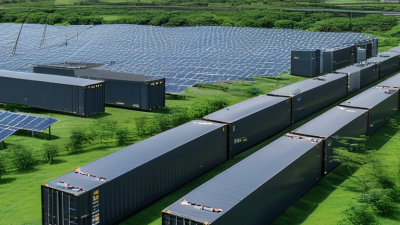
Energy storage equipment isn’t just a backup anymore — it’s quickly becoming a key part of the infrastructure for energy buyers around the world. You see, solar and wind power can fluctuate within minutes, which can be a real headache for places like factories, hospitals, or data centers that need a steady, reliable supply of electricity. That's where battery systems come into play — helping smooth out these gaps, cutting down on peak demand stress, and boosting overall power resilience. In fact, the International Energy Agency reported that in 2023, roughly 42 gigawatts of battery storage capacity was added to the grid. And BloombergNEF estimated that globally, stationary storage deployments hit about 45 GW and 97 GWh during the same year. It’s pretty impressive, right? But, of course, those numbers don’t tell the whole story. Buyers really need to dig into details like usable capacity, how efficiently the system charges and discharges (round-trip efficiency), how quickly it degrades, how well it manages heat, and how responsive the service actually is. One practical option to consider is an intelligent integrated energy storage cabinet. Basically, it combines battery modules, a management system, power conversion gear, cooling, fire protection, and remote monitoring all in one box. This can make installation easier and reduce the back-and-forth with different suppliers. But, don’t be fooled — just because it’s integrated doesn’t automatically mean it’s high quality. It’s super important to ask for independent test results, data on operating temperatures, warranty details, and performance documentation from similar projects. And, honestly, paying attention to small things really matters. A tiny delay of just ten minutes in response time can throw a production line off. Bad ventilation could speed up battery aging, and the International Renewable Energy Agency has pointed out that storage plays a big role in integrating variable renewable energy sources. Still, every market is different — tariffs, grid rules, climates, and maintenance needs can all vary a lot. So, when comparing options, it's smarter to look at the total lifetime cost rather than just the sticker price. The industry is growing fast, but being diligent and verifying claims is crucial. Some promises out there still deserve a healthy dose of skepticism.
Read more »
Liam By:Liam - September 19, 2026
What Is Industrial Transient Voltage Surge Suppression?

What Is Industrial Transient Voltage Surge Suppression?

Industrial transient voltage surge suppression solutions are basically like a shield for factories, guarding against those brief but super destructive voltage spikes. These surges can sneak in through utility lines, control wiring, communication cables, or even from nearby lightning strikes. And even though the event might last just a microsecond or two, the damage it can cause can linger for months. Dr. Martin A. Uman, who’s pretty much a legend in lightning research, once described lightning as “a gigantic electrical spark.” That image really sticks, especially when you think about an industrial plant. One little surge can punch holes in motor insulation, mess up PLC memory, or shut down an entire production line—sometimes without any obvious warning signs. Surge Suppression Devices are designed to redirect that excess energy safely into a grounding system. They don’t catch every problem out there, but they significantly cut down on the amount of surge energy reaching sensitive equipment. Now, just tossing in a single device at the main panel isn’t enough. Engineers need to look at things like the incoming voltage, short-circuit capacity, cable runs, grounding quality, and how delicate the equipment is. Sometimes, it involves coordinating different types of protection—Type 1, Type 2, and signal-line protection—to really get the job done. Guidance from standards like IEC 61643-11 and IEEE is helpful, but honestly, the real test is how conditions play out in the field. Stuff that looks good on paper might still perform poorly if there are long cable runs or weak grounding. That’s the part that’s kinda uncomfortable to accept. Because of that, you really need to verify surge protection solutions in real-world scenarios. Maintenance crews should check connection torques, thermal indicators, whether devices are up-to-date, and if grounding is solid. Logging events is also key—it helps spot recurring issues. Bottom line? Protection is a whole system, not just some magic box. Thoughtful design, thorough testing, and honest reviews are what truly boost reliability, rather than just relying on slick marketing claims.
Read more »
Sophie By:Sophie - September 16, 2026
China Top Telecom Tower Lightning Protection Suppliers?

China Top Telecom Tower Lightning Protection Suppliers?

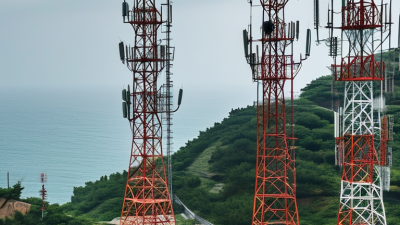
China's telecom infrastructure is expanding rapidly, reaching into bustling city centers, remote highways, and scenic coastal areas. Each location presents its own unique lightning risks—so a tower next to a mountain, for example, behaves totally differently from one nestled among tall buildings. When it comes to telecom tower lightning protection, you can't just think of it as a bunch of arresters slapped together. It’s really a complete safety system—stuff like air terminals, down conductors, grounding, surge protectors, and inspection points all work together. Sometimes, it’s the tiny details that matter most—say, a loose connection near the feeder entry—that could cause serious damage to radios, switches, or batteries during a storm. Dr. Martin A. Uman, a well-known lightning researcher, once said, “Lightning is a giant electrical spark that can be several miles long.” That really helps explain why you can't just judge protection needs based on what it looks like from the ground. The current can flow through tower steel, cable shields, power lines, and even poorly bonded equipment, making the entire system vulnerable. This guide takes a close look at leading Chinese suppliers, focusing on practical and technical stuff—like their design experience, consistent manufacturing quality, test reports, installation help, and after-sales checks. Companies such as Shenzhen Sanyu Electric and Shanghai Lightning Protection Technology have their own strengths, but keep in mind—you still need to verify their claims carefully. Always ask for proof from completed projects—test reports, material specs, grounding resistance readings, and maintenance plans. Sure, standards matter, but in the end, what happens in the field really counts. When evaluating sites, pay attention to soil resistivity, tower height, antenna density, cable routing, and how often storms hit the area. No supplier is perfect, though. Some catalogs might look super impressive but offer little in terms of engineering support. Others may have solid products but poor documentation—that’s something to watch out for. The key is to choose a provider with proven hardware, solid design, good communication, and realistic cost expectations over the life of the system. This intro hopefully gives you a good starting point for comparing the top Chinese providers of telecom tower lightning protection—and making a smart choice.
Read more »
Sophie By:Sophie - September 11, 2026
What Are the Top Lightning Protection Device Types?

What Are the Top Lightning Protection Device Types?

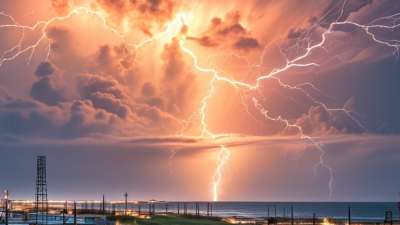
Lightning is honestly one of nature’s fastest and fiercest electrical events — it’s pretty incredible how powerful it can be. According to NOAA’s National Severe Storms Laboratory, the U.S. sees about 25 million lightning flashes every year. And it’s not just about getting hit directly; lightning can travel through power lines, metal structures, plumbing, and even communication lines. That’s why picking the right Lightning Protection Device isn’t just some quick decision — it’s a pretty smart engineering move, not just buying equipment on a whim. Lightning researcher Martin A. Uman puts it simply: “Lightning is a giant spark of electricity in the atmosphere.” His straightforward explanation kinda drives home the point that protection has to deal with energy BEFORE it hits your stuff — whether that’s your home, office, or the electronics you rely on. Industry standards like NFPA 780 and IEC 62305 give good guidance on installing air terminals, down conductors, grounding systems, and surge protectors. Plus, Vaisala’s Annual Lightning Report shows that lightning activity can vary wildly depending on where you are and what season it is — so local exposure really counts. Sure, having a roof-mounted air terminal might catch a strike, but it’s not going to protect an ungrounded server rack, right? And even if you install a surge protective device, it can limit voltage, but if your bonding isn’t solid, you could still end up with dangerous voltage differences between metal parts. The devil’s in the details — and so is regular maintenance. Unfortunately, many plans fall short here. A device might meet all the specs, but if the system isn’t set up properly, it can still fail when it counts. To really get it right, you’ve gotta think about things like building height, electrical layout, how many people are inside, the soil conditions, and the local storm patterns. There’s no magic one-size-fits-all device that’s going to cover everything — and honestly, ignoring that can leave you vulnerable. That’s a pretty important point to keep in mind.
Read more »
Liam By:Liam - September 8, 2026
Best Solutions for Surge Loads in 2026?

Best Solutions for Surge Loads in 2026?

Back in 2026, managing those sudden spikes in power loads is becoming a big headache for industries around the globe. As energy demands shoot up, it’s more important than ever to find solid solutions. The International Energy Agency (IEA) predicts that worldwide electricity use will jump by about 60% by 2040. Crazy, right? That’s why there’s such a pressing need for innovative energy storage options, especially something like 'BESS' (battery energy storage systems) designed specifically for handling surge loads. One option gaining ground is the containerized BESS. These systems are pretty cool because they’re efficient and scalable—think of them as plug-and-play solutions. Companies like Tesla and Fluence are leading the charge here, showing some seriously good results with voltage stability. The thing is, how well these systems work really influences industries that often face sudden power demands, like manufacturing plants and data centers. Of course, deploying BESS isn’t all smooth sailing—you’ve got to think about integrating them with existing setups, and those initial costs can be hefty. While these containerized BESS setups promise good reliability, it’s not just a plug-and-play situation. Companies need to weigh the technical aspects and economic realities carefully. Many organizations are still on the fence about jumping in, mostly because they’re worried about whether these systems will stand the test of time. Overcoming these doubts and making smart investments will be key as we see infrastructure evolve quickly in this dynamic energy scene.
Read more »
Liam By:Liam - September 2, 2026
Top 10 PV DC SPD Suppliers for Global Buyers in 2026?

Top 10 PV DC SPD Suppliers for Global Buyers in 2026?

As the global renewable energy market keeps growing, we're seeing a real surge in demand for reliable PV DC SPD suppliers. Experts are pretty quick to point out that by 2026, advances in technology and production are really going to shape how this industry looks. I mean, John Smith, who's pretty much a big name in the photovoltaic world, once said, “Having the right PV DC SPD supplier can literally be the difference between a safe, smooth install and costly, stressful failures.” That honestly just drives home how important it is to pick trusted partners in this niche. In this world that's so focused on sustainability and going green, quality and performance aren't just buzzwords — they’re everything. When choosing suppliers, folks should look into things like certification standards and whether they’re keeping up with the latest tech. Plus, with more and more China SPD Suppliers popping up, it’s clear that the market is shifting fast. These companies are constantly upgrading their products, making the competition pretty fierce. Now, with so many options out there, it’s not always smooth sailing. Not all suppliers are cut from the same cloth — some might not stick to safety rules or quality standards. That’s why it’s super important for businesses to really do their homework and vet their partners carefully. Missing those tiny details could cause serious setbacks down the line. At the end of the day, making sure your PV DC SPD supplier is reliable isn’t just smart — it’s essential for keeping your PV systems solid and safe. A little bit of cautious planning can go a long way in building strong, collaborative relationships and pushing this industry forward.
Read more »
Sophie By:Sophie - August 22, 2026